
Consumers can be formally employed through contracts to contribute their lived experience expertise to research, healthcare improvement, or policy development.Examples of Consumer Roles:

Consumer partnership is a collaborative approach where researchers, healthcare providers, and consumer organisations work together in a meaningful and active way to design and conduct research or healthcare improvement projects. These partnerships often involve broad collaboration between research teams and consumer organisations or groups, with one or more consumer partners helping to guide the direction […]

A co-researcher approach involves people with lived experience working as equal members of a research team, actively contributing to all stages of the project alongside academic researchers. This model embeds consumers in the research process, recognising their unique insights and expertise. To support meaningful involvement, consumer co-researchers may receive training and capacity-building to develop skills […]
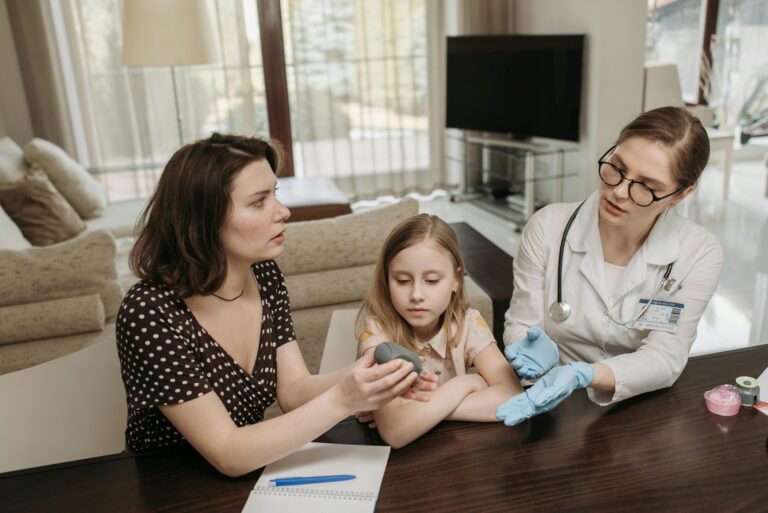
Consumer advocacy is an approach where individuals with lived experience work to champion the rights, needs and priorities of the broader patient and carer community across healthcare, research and policy development. By doing so, consumer advocates can ensure that the lived experience perspective is embedded in decisions being made. Consumer advocates take on roles like […]
Consultation is a structured approach used to gather insights, feedback, or advice from consumers and stakeholders on specific activities—such as research projects, healthcare improvements, policies, strategies, or priority areas.Consultations may be: Consultation can take many forms, depending on the goals and audience. Common approaches include: These methods help ensure that diverse voices are heard and […]

Consensus building is a collaborative, democratic process where consumers—alongside clinicians, researchers, and other stakeholders—work together to reach shared agreement on key issues. It involves structured, participatory approaches that encourage open dialogue and respect for diverse perspectives, especially those with lived experience.These methods help balance priorities across all participants and guide decision-making in a transparent and […]

A consumer advisory panel is a high-level group made up of consumers and or community representatives. Established by health, research or healthcare organisations, consumer advisory panels can provide consumer perspectives on relevant issues across a range of research projects, provide input into the design of research and grant proposals, review policies, advocate for people with […]

Consumers can play a valuable role in project or steering committees by offering insights from a lived experience perspective. Their involvement may occur at various levels, including government, professional bodies, organisational boards or sub-committees, and research/healthcare improvement projects. All committees should have a Terms of Reference (ToR) that clearly outlines: the committee’s purpose, structure, and […]